
Composition & Songwriting Lessons in Chicago

Writing Better Music Means Understanding What You're Trying to Say
Writing music can be strangely frustrating.
You can have a melody you love, a chord progression that sounds great, or half of a song that feels like the best thing you've ever written, and then suddenly have no idea where to go next. Other times the problem is almost the opposite. You know enough theory to generate endless possibilities, but none of them feel particularly meaningful. That's one of the reasons I love teaching composition and songwriting. There usually isn't a single correct answer. The interesting part is figuring out what the music is trying to become and developing enough craft to help it get there.
My composition and songwriting lessons in Chicago are built around that idea. We can absolutely study harmony, melody, form, orchestration, arranging, lyric writing, counterpoint, or any of the technical subjects that make up composition, but the purpose isn't to collect more techniques. It's to become better at making musical decisions.
Sometimes that means finding a more interesting chord underneath a melody. Sometimes it means realizing the song doesn't need another chord at all. Sometimes the problem isn't harmony, but pacing, register, instrumentation, repetition, or the fact that we're trying to force an idea to become something it never wanted to be.
Learning to recognize the difference is a huge part of becoming a composer.
Composition, Songwriting, and Everything Between Them
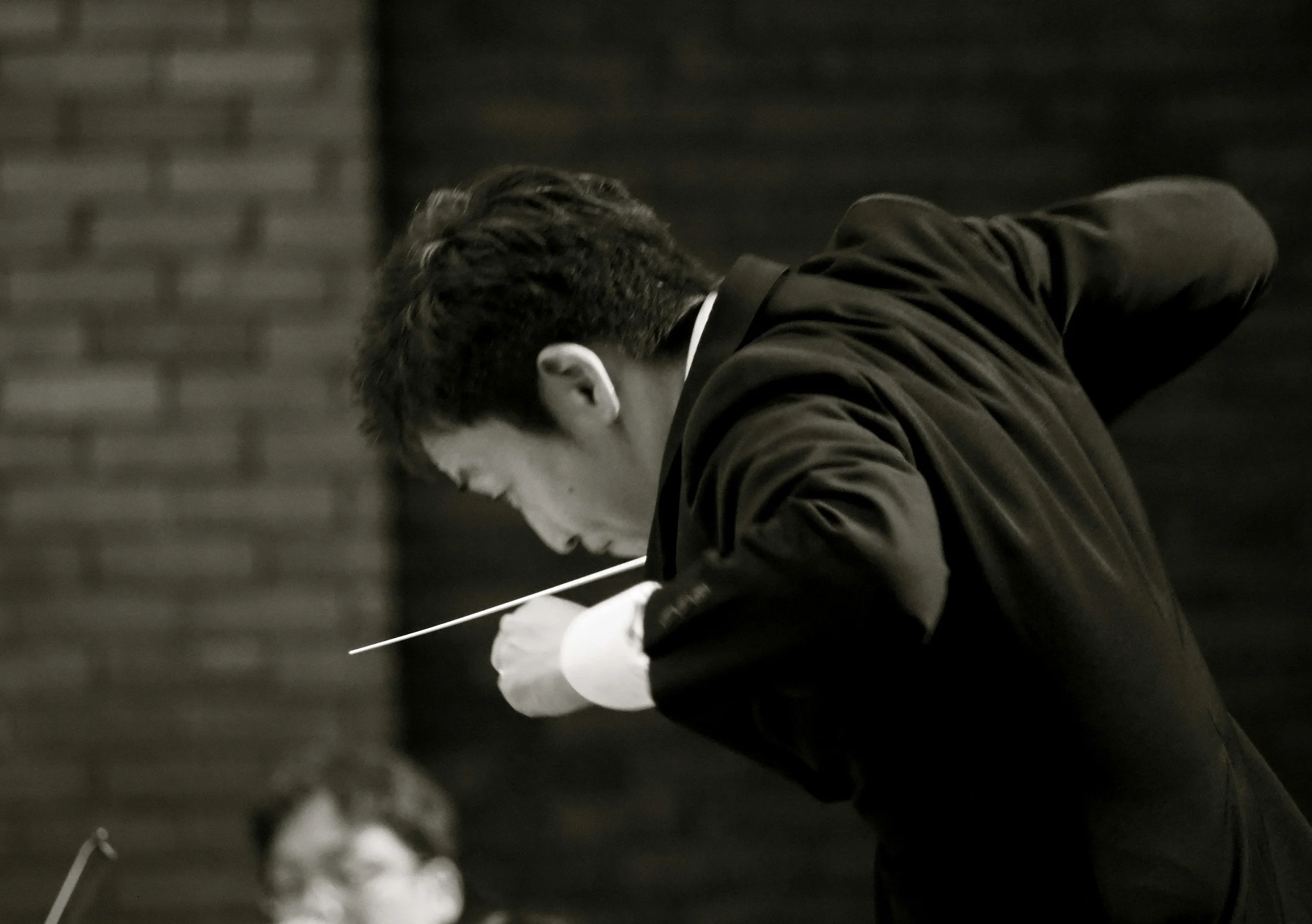
I don't draw a particularly hard line between composition and songwriting.
A songwriter writing three chords and a vocal melody is making compositional decisions. A composer writing for an orchestra is still thinking about melody, repetition, tension, expectation, and emotional direction. The vocabulary may change, but a lot of the underlying questions are surprisingly similar. What makes this section interesting is that students come to it from completely different places. One person may want to write better songs on guitar. Another may be preparing a portfolio for Berklee or another music school. Someone else may be writing instrumental music, scoring a short film, arranging for a band, producing their own records, or trying to understand why the music in their head never quite sounds the same once they put it into a DAW. All of those are composition problems.
My own background studying composition at Berklee College of Music exposed me to everything from traditional harmony and counterpoint to arranging, orchestration, contemporary writing, jazz, and music technology. Over time, though, I've become much less interested in teaching composition as a set of academic procedures. I'm more interested in helping musicians build enough understanding that they can move freely between styles and solve the problems that actually come up in their own music.
Harmony, Melody & Form

Maybe the melody is strong but the harmony keeps pulling attention away from it. Maybe the verse and chorus are using almost identical registers, so the chorus never really opens up. Maybe every phrase is four measures long and the listener starts predicting exactly when everything will happen. Maybe the chord progression is interesting on paper but the individual voices are moving awkwardly.
This is where music theory and harmony become incredibly useful, but not as rules. Harmony gives us options. Voice leading helps us connect those options naturally. Form gives us control over when information appears and when it returns. Melody gives the listener something to follow through all of it.
We might study functional harmony, modal interchange, chromatic harmony, secondary dominants, diminished harmony, pedal tones, harmonic rhythm, motivic development, counterpoint, or reharmonization. But rather than learning those ideas simply because they appear in a textbook, we'll usually connect them to an actual piece of music. If you understand why something works in Stevie Wonder, Debussy, Radiohead, Bach, Wayne Shorter, a film score, or a song you're currently writing, the concept becomes much easier to carry somewhere else. That's the goal.
Songwriting Without a Formula
There are plenty of songwriting formulas available online. Write the hook first. Get to the chorus by thirty seconds. Use this chord progression. Repeat the title four times. Make the second verse shorter. Put the bridge here. Some of that advice can be useful. None of it is universal.
I think the more interesting question is why a particular song needs the structure it has. A great song doesn't necessarily feel good because it follows the correct template. It feels good because the writer controls expectation. Something repeats enough that we recognize it, changes enough that we stay interested, and eventually gives us some kind of payoff.
That's true whether you're writing a three-minute pop song, an eight-minute progressive piece, an instrumental guitar composition, or something that barely has a conventional chorus at all.
In songwriting lessons, we can work on melody, lyrics, chord progressions, hooks, form, arrangement, development, transitions, and editing, but we'll always come back to the music itself. What are you trying to communicate? What is getting in the way? What does the listener actually need next? Often the best songwriting decision is surprisingly small.
Arranging & Orchestration
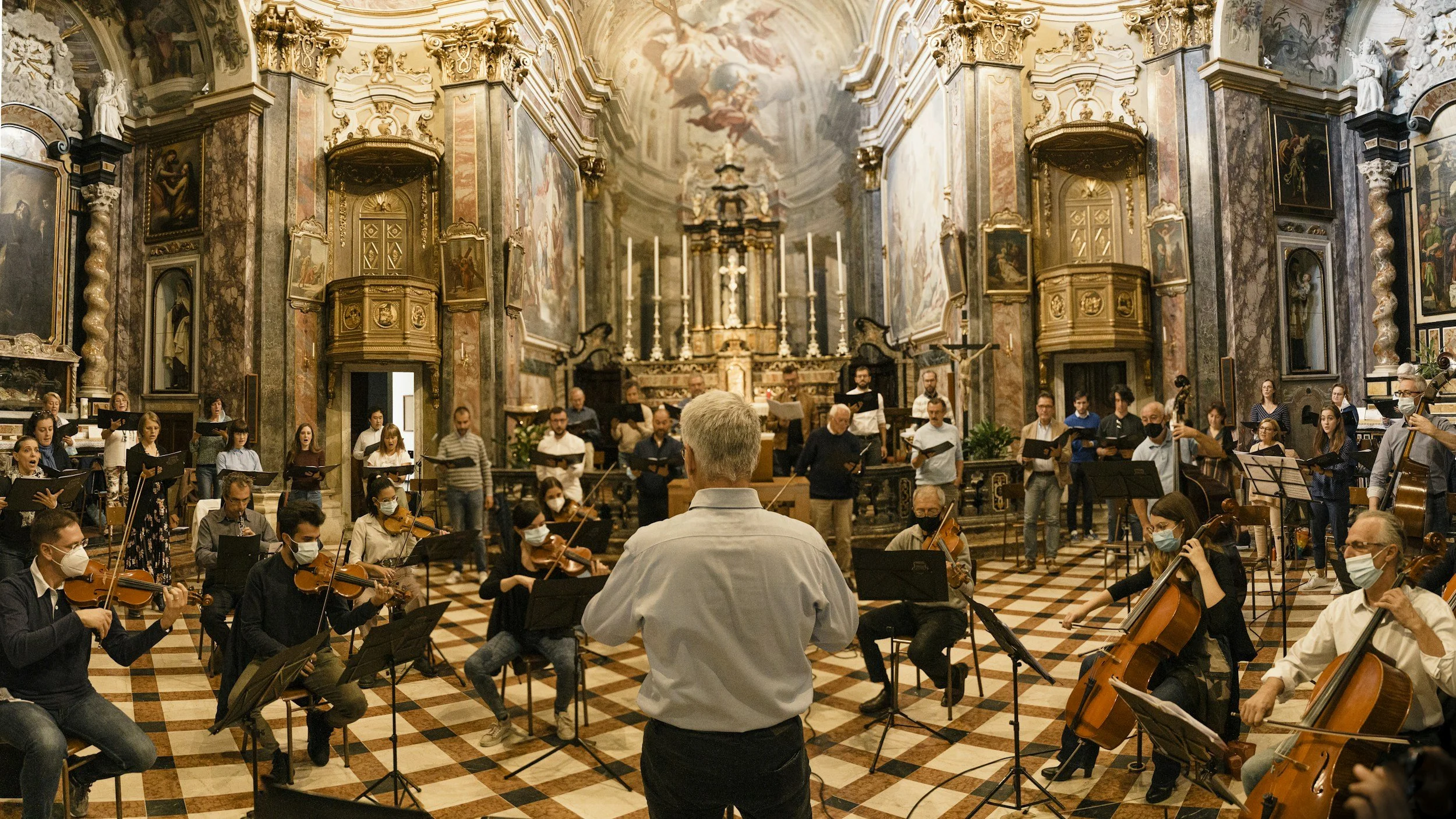
The same chord progression can feel completely different depending on who plays it, where it sits in the register, how dense the voicing is, when an instrument enters, or whether the bass doubles the root at all.
That's arranging.
And once you start thinking that way, orchestration stops being something reserved for symphony orchestras. Every band is an orchestra of some kind.
A guitar, bass, drums, keyboards, vocals, strings, horns, synthesizers, and electronic textures all occupy different musical spaces. Learning how those pieces interact can completely change the way you write.
For students interested in arranging and orchestration lessons, we might work on voicing, register, instrumentation, doubling, texture, dynamics, counterlines, rhythm-section writing, ensemble balance, or how to take a simple sketch and turn it into a finished arrangement.
That can mean traditional score study. It can also mean opening a session in a DAW and figuring out why thirty tracks somehow sound smaller than five.
Both are useful problems.
Improvisation Can Make You a Better Composer
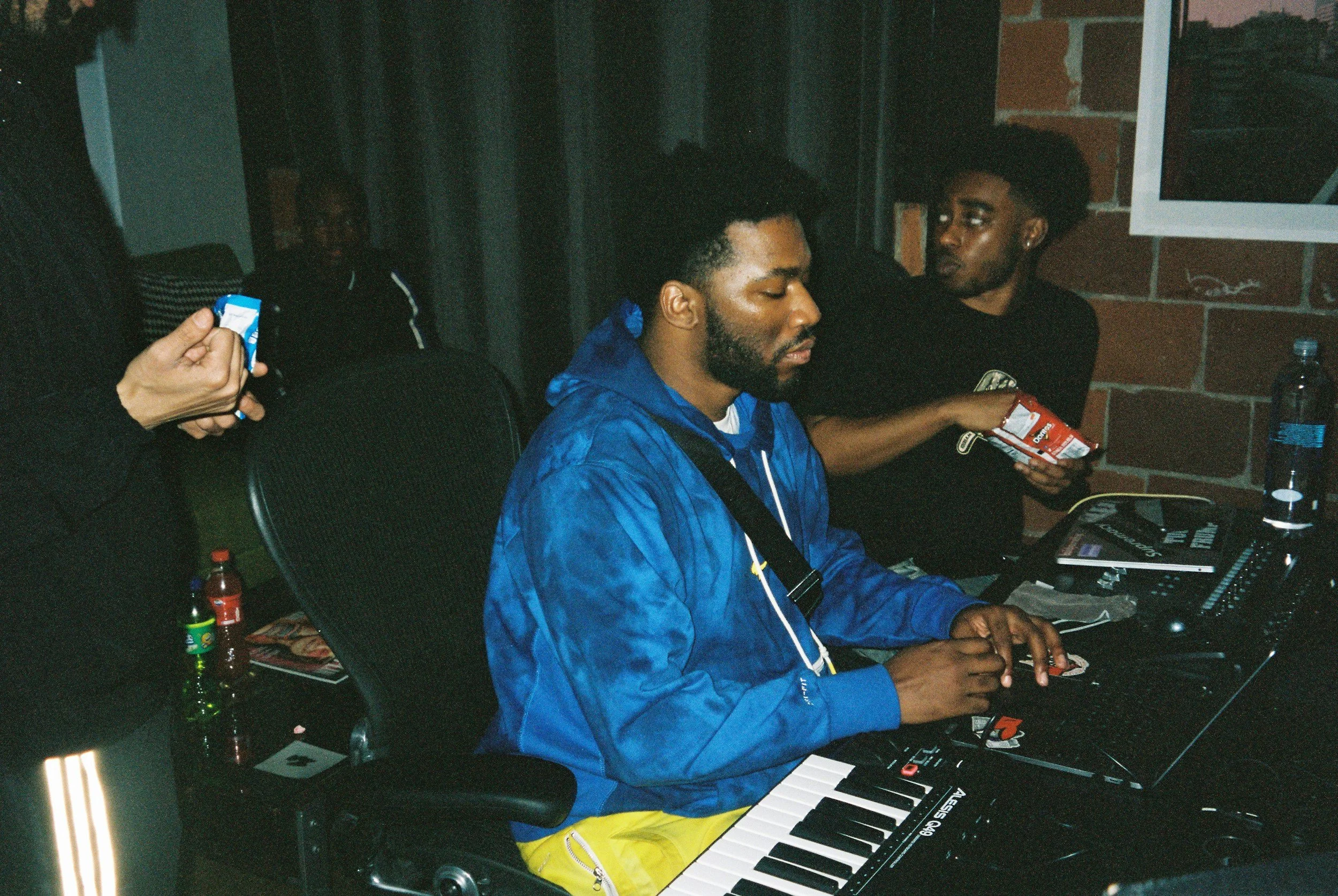
One happens slowly enough that you can revise your decisions. The other happens in real time.
But both require you to generate ideas, recognize which ones are worth pursuing, and understand how one musical thought can lead naturally to another.
That's why improvisation coaching often becomes part of composition lessons, especially for guitarists and songwriters. Improvising melodies over your own chord progression can reveal possibilities that you'd never discover staring at notation software. Changing one bass note underneath the same melody can suddenly expose an entirely new harmonic direction.
Likewise, studying composition can make improvisation much more interesting because you begin thinking beyond individual phrases. You start hearing larger shapes, recurring motifs, contrast, development, and form.
Eventually the distinction between "writing" and "playing" gets a lot less important.
Finding Your Own Musical Voice
Teachers can expose you to music, challenge your habits, introduce techniques, point out patterns, and help you hear things you weren't hearing before. But at some point you have to decide what you actually like.
That's one of the harder parts of creative development.
Students sometimes arrive worried that their influences are too obvious. Usually I think the opposite problem is more common. They're trying so hard not to sound like anyone else that they haven't spent enough time deeply studying the musicians they love.
There's nothing wrong with borrowing.
Study the voicings. Steal the structure. Analyze the arrangement. Rewrite the progression. Figure out why the melody affects you. Then take the same idea somewhere else.
Over time, your taste starts filtering those influences in ways that are increasingly difficult for anyone else to reproduce.
What We Can Work On
Composition and songwriting lessons are individualized around the music you're actually interested in creating. Depending on your goals, we may work on songwriting, composition, melody, harmony, lyric writing, arranging, orchestration, film scoring, counterpoint, reharmonization, music theory, ear training, improvisation, score study, DAW workflow, ensemble writing, or preparing a composition portfolio for college and conservatory auditions.
You don't need to arrive with a finished song.
You don't even necessarily need to arrive with an idea.
Sometimes we start with eight measures. Sometimes we analyze a piece you love. Sometimes we take something you've already written apart and rebuild it. Sometimes the entire lesson is spent solving one awkward transition.
The work changes depending on what the music needs.
Composition & Songwriting Lessons for Guitarists, Producers and Musicians
A lot of my students are guitarists, which gives us another useful advantage. The guitar is an incredible composition tool, but it can also quietly shape the way you write. Familiar chord shapes lead to familiar progressions. Familiar fingerings lead to familiar melodies.
Part of becoming a stronger writer is learning when the instrument is helping you and when it's making decisions for you.
For students taking advanced guitar lessons, composition can become a way of applying everything else we're studying. Harmony becomes something you write with. Technique becomes a means of realizing an idea. Ear training helps you find the sound you're imagining. Improvisation generates new material.
The same principle applies to pianists, singers, producers, and other instrumentalists. Your primary instrument is where you begin, not where your musical thinking has to end.
Composition & Songwriting Lessons in Chicago and Online
I teach private composition, songwriting, arranging, music theory, improvisation, and guitar lessons in Chicago, along with online music coaching for students outside the city.
Chicago is an especially good place to be studying this kind of work because there is so much actual music happening around you. Jazz, rock, experimental music, hip-hop, classical music, singer-songwriters, theater, blues, electronic music, and countless smaller scenes overlap constantly. You can study an idea in a lesson and hear some version of it happening on a stage that night.
Whether you're writing your first serious body of work, preparing a music school portfolio, trying to finish songs instead of collecting unfinished demos, or you've been composing for years and want someone who can challenge you at a deeper level, the goal isn't to teach you how I would write the music.
It's to help you get better at hearing what you would do next.
Cody is an incredibly genuine person. You can tell that he really cares about both his music and his students. He's a great source of knowledge and I can't recommend him enough for anyone trying to hone in on their craft.
– Noah